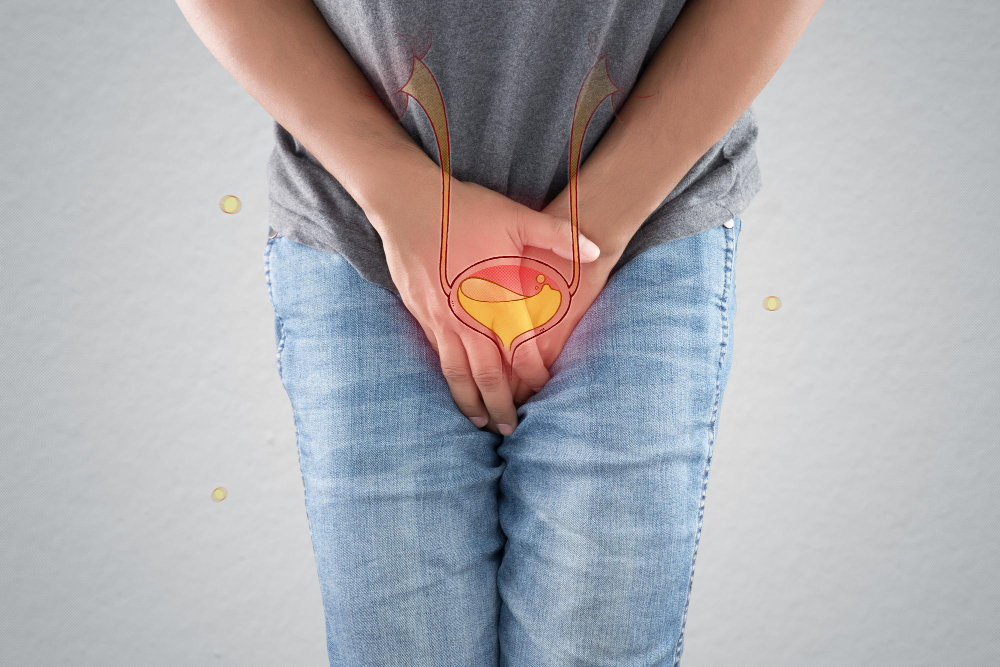
Are you looking for information about homeopathy for urinary stone? Many people seek natural remedies for kidney stones and want to know about homeopathic treatment for urinary calculi. In this blog, you will learn about urinary stones, their symptoms, causes, and how homeopathy may help. We will also discuss popular homeopathic remedies, lifestyle tips, and when to seek medical help. If you are searching for holistic urinary stone care, read on for clear and helpful guidance.
What Are Urinary Stones?
Urinary stones, also called kidney stones or urinary calculi, are hard mineral deposits. They form in the kidneys or urinary tract. These stones can vary in size and shape. Some are as small as a grain of sand, while others can be much larger.
There are different types of urinary stones:
Urinary stones are common worldwide. According to the World Health Organization, about 1 in 10 people will have a urinary stone at some point in their life. Because these stones can cause pain and other problems, early care is important.
Common Symptoms of Urinary Stones
Urinary stones can cause different symptoms. Sometimes, small stones pass without pain. However, larger stones may block the flow of urine. As a result, you may notice:
Because symptoms can vary, it is important to watch for these signs. If you have severe pain or blood in your urine, seek medical help right away.
Causes and Risk Factors
Urinary stones form when minerals and salts build up in the urine. There are several causes and risk factors, such as:
Because lifestyle and diet play a big role, making healthy choices can help lower your risk.
How Homeopathy Approaches Urinary Stones
Homeopathy is a natural system of medicine. It uses small doses of substances to help the body heal itself. In homeopathy, treatment is chosen based on your symptoms, overall health, and personal history.
Homeopathic practitioners believe that each person is unique. Therefore, they select remedies that match your specific symptoms. The goal is to support natural stone expulsion and ease discomfort. Homeopathy also aims to prevent stones from coming back by improving your body’s balance.
Many people choose homeopathy for urinary stone care because it is gentle and holistic. However, it is important to use it under the guidance of a trained practitioner.
Popular Homeopathic Remedies for Urinary Stones
Several homeopathic remedies are used for urinary stones. The choice depends on your symptoms and health. Some common remedies include:
Because homeopathy is personalized, a practitioner will select the best remedy for you. Do not self-medicate without expert advice.
Diagnosis and When to Seek Medical Help
If you think you have a urinary stone, see a doctor for diagnosis. Doctors may use urine tests, blood tests, or imaging (like ultrasound or CT scan) to find stones.
Seek medical help right away if you have:
Early diagnosis helps prevent complications. Even if you use homeopathy, regular check-ups are important.
Lifestyle Tips and Prevention
Good habits can help prevent urinary stones. Here are some tips:
Because prevention is better than cure, these steps can lower your risk of stones coming back.
Safety, Limitations, and When to Consult a Doctor
Homeopathy for urinary stone is considered safe when used with guidance. However, it should not replace emergency care. If you have severe pain, infection, or cannot pass urine, seek medical help right away.
Homeopathy may help with mild symptoms and prevention. But, it may not work for large stones or serious cases. Always talk to a qualified homeopathic practitioner or healthcare provider before starting any treatment.
In summary, homeopathy for urinary stone offers gentle, natural support. However, it is important to use it safely and seek medical advice when needed. Consult a qualified homeopathic practitioner or healthcare provider for personalized advice on urinary stone management.